AI Gym Design — Redesign Your Gym From a Photo
Wondering how to redesign your gym? RoomGPT shows you exactly what's possible — before you spend a cent on furniture or a designer.


Free on iOS & Android
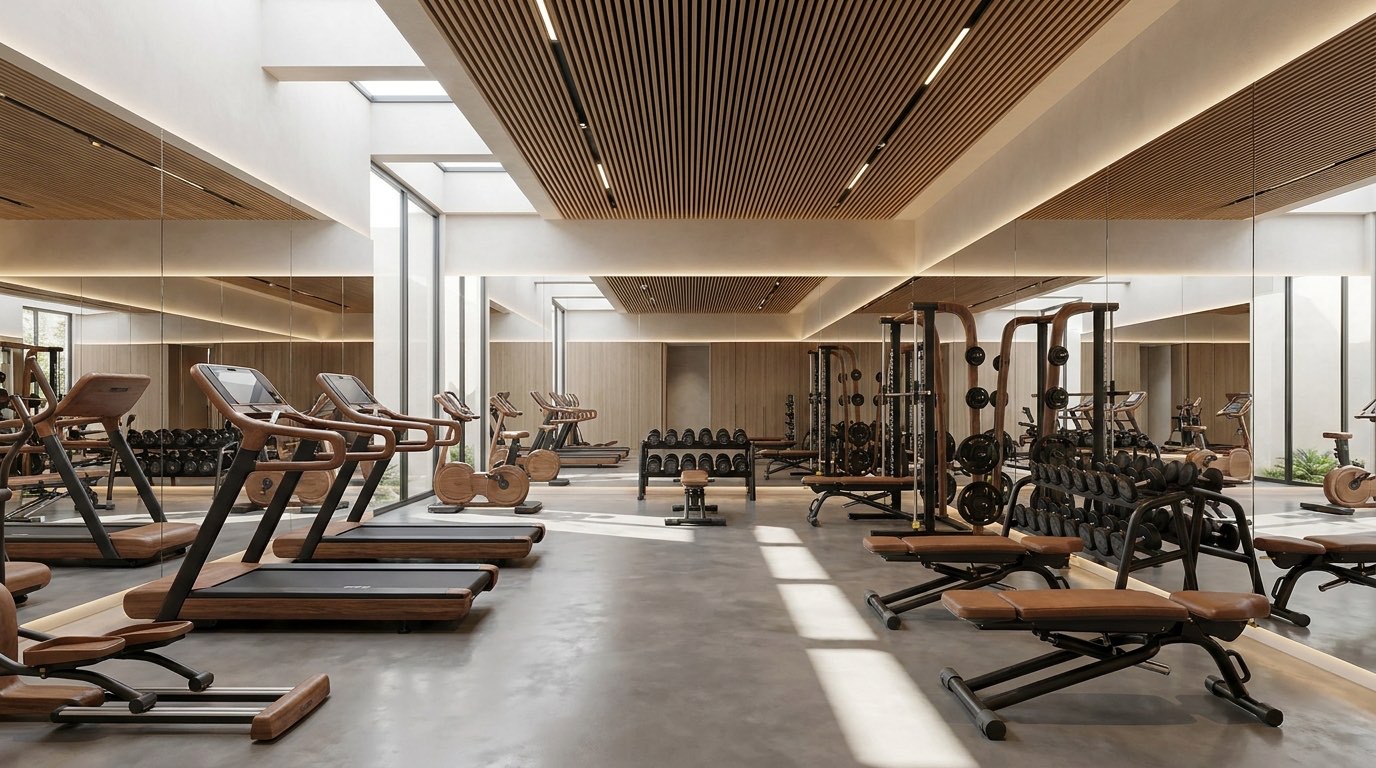
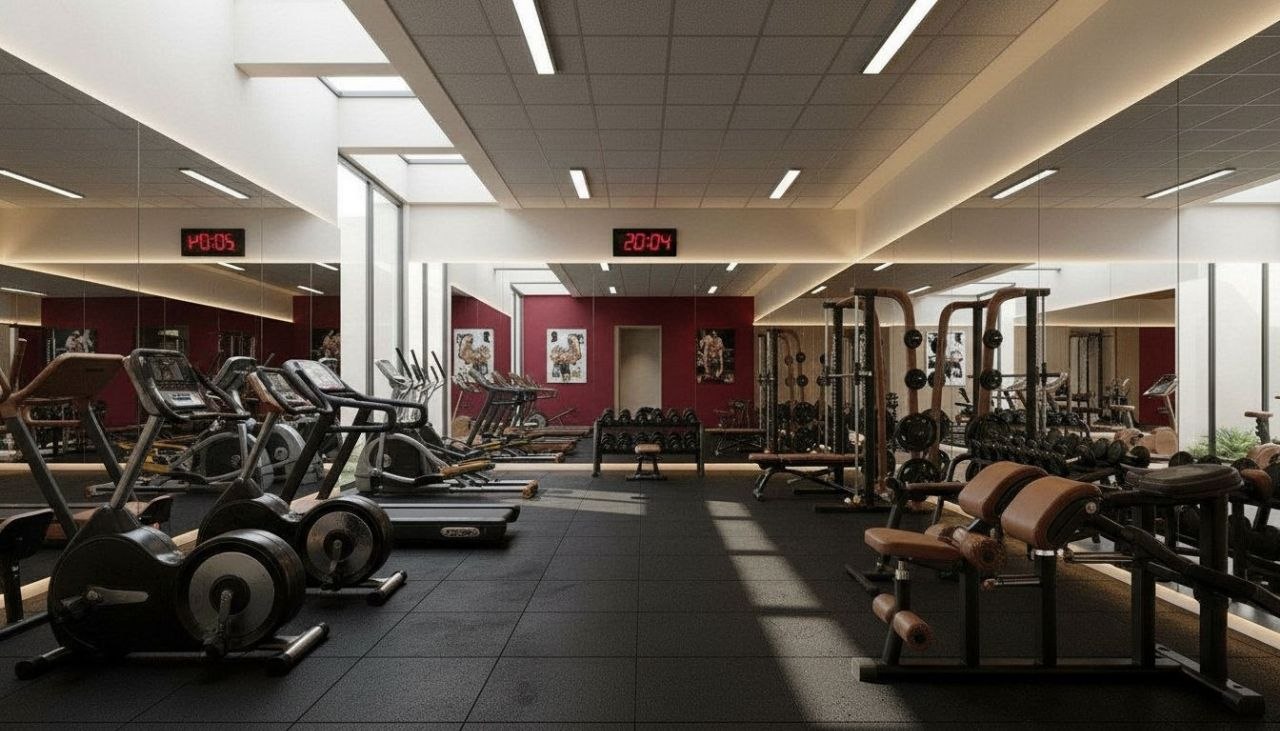
A great home gym lives or dies by its floor and its sightlines. Before you think about color, you need shock-absorbing rubber tiles (think 8mm interlocking mats under cardio, 20mm or stall mats under anything you'll drop) and a stretch of wall mirror tall enough to check form on a squat. Get those two right and a spare bedroom, basement corner, or garage bay starts to feel like a real training space. The trick is seeing it before you commit, and that's exactly what RoomGPT does: photograph the room as it is now, and watch it come back floored, mirrored, and zoned.
The best gym layouts are organized by movement zones rather than by equipment lists. Reserve a clear lifting footprint (roughly 8 by 8 feet for a rack and bar), keep a separate floor-work area for mobility and mat work, and push cardio toward a window or the best ventilation. Color should stay energizing but not exhausting: charcoal or deep slate walls hide chalk and scuffs, while one punchy accent wall in cobalt, energizing orange, or forest green gives you a focal point without turning the room into a commercial franchise.
Lighting is the quiet hero. Bright, cool 4000–5000K light keeps you alert; layer it so the mirror wall is evenly lit with no harsh shadow across your face.
Design tips for your gym
- Lay interlocking rubber tiles: 8mm under cardio and treadmills, 20mm horse-stall mats under a rack so dropped plates don't crack the slab.
- Mount a mirror wall at least 6 feet wide and start it 8-12 inches off the floor so you can check squat depth and deadlift hinge.
- Paint walls charcoal or deep slate to hide chalk and scuffs, then add one accent wall in cobalt, energizing orange, or forest green.
- Use cool 4000-5000K LED light, ideally on a dimmer, and light the mirror evenly so no shadow crosses your face mid-set.
- Define a clear 8-by-8-foot lifting footprint for the rack and bar, with a separate mat zone for mobility and stretching.
- Add vertical storage: a wall-mounted plate tree, dumbbell shelf, and resistance-band pegboard to keep the floor open and uncluttered.
See your gym in 100+ styles
Tap any style to explore gym ideas, or open the app to apply it to your own photo.


Explore other rooms
Frequently asked questions
What flooring is best for a home gym?
Interlocking rubber tiles are the go-to: thinner 8mm mats under cardio and thicker 20mm or horse-stall rubber under racks where you'll drop weight. In the RoomGPT app you can preview rubber, foam, or sealed-concrete looks on your actual floor before buying.
How do I make a small room feel like a real gym?
A large mirror wall instantly doubles the perceived space, and keeping equipment on vertical storage frees the floor. Snap a photo in RoomGPT to test mirror placement and a brighter wall color before you rearrange anything.
What colors work best for a workout space?
Dark, scuff-hiding charcoal or slate on most walls with one energizing accent (cobalt, orange, or forest green) hits the sweet spot. Try several palettes on your own room in RoomGPT to see which keeps you motivated.
Can I turn my garage or basement into a gym?
Absolutely; both are popular because of ceiling height and the freedom to drop weights. Photograph the space in RoomGPT to visualize rubber flooring, better lighting, and a mirror wall before you spend on the conversion.
Is RoomGPT free to try on my own room?
Yes, RoomGPT is a free app for iOS and Android. Download it, photograph your gym space, and get AI redesigns across 100-plus styles in seconds.